The Best Fluffy Pancakes recipe you will fall in love with. Full of tips and tricks to help you make the best pancakes.

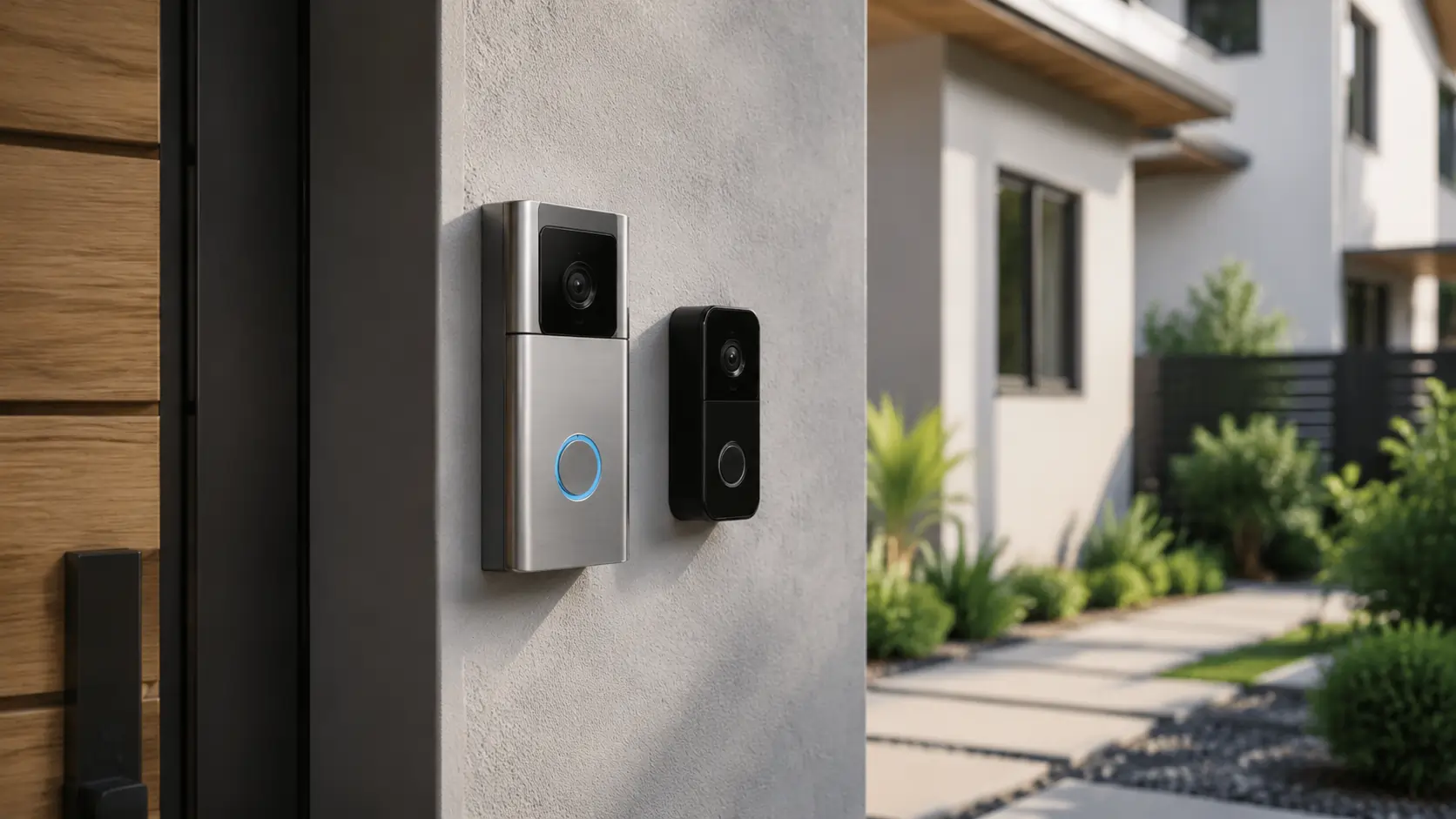
Choosing between the Ring vs Blink Doorbell Camera can feel simple at first, but the decision becomes more complicated once you look at installation, subscription costs, and long-term usability. Both brands are owned by Amazon, yet they are built for very different users. One focuses on premium features and deep smart home integration, while the other focuses on affordability and simplicity.
For a small home or apartment, the differences matter even more because coverage needs are limited, and every feature must justify its cost. This comparison breaks down everything in practical terms so you can choose the right one without guesswork.
Key Takeaways
- Ring offers better video quality, advanced motion detection, and deeper smart home integration
- Blink is cheaper, easier to install, and works well for basic door monitoring
- Subscription plans significantly affect long-term cost for both systems
- Small homes benefit more from simplicity than complex coverage systems
- Ring is better for security-focused users; Blink is better for budget-conscious users
The Amazon Elephant in the Room
Both systems are part of the Amazon ecosystem, which is important when comparing the Ring vs Blink Doorbell Camera.
Amazon owns both brands, but they are positioned differently in the smart home market.
- Ring is designed as a premium security system
- Blink is designed as a low-cost, entry-level solution
- Both integrate heavily with Amazon Alexa ecosystem
At the time of writing, Ring devices are generally more expensive upfront, while Blink products are significantly cheaper but rely more on cloud features for full functionality.
Setup and Installation
Ring Installation Options
Ring doorbells come in two main types: wired and battery-powered. Wired models require existing doorbell wiring, while battery models are easier but need occasional charging. Installation typically involves mounting, connecting to Wi-Fi, and configuring the app.
Blink Installation Simplicity
Blink is fully battery-operated, which makes installation extremely simple. There is no wiring required, and setup can be completed in minutes using the Blink app.
Which Is Easier for Beginners?
For non-technical users, Blink is clearly easier. It avoids wiring, reduces setup steps, and requires less physical installation effort. Ring may require basic DIY skills depending on the model chosen.
Video Quality Comparison
Ring Video Performance
Ring models typically offer higher resolution (up to 1080p or higher depending on version), improved HDR processing, and better night vision clarity. This makes facial recognition more reliable at longer distances.
Blink Video Performance
Blink cameras also provide 1080p resolution, but image processing is more basic. Night vision works, but details can appear softer in low light conditions.
Real-World Difference
At a typical small home distance (5–10 feet from the door), both systems are usable. However, Ring provides clearer facial detail, especially at night or in poor lighting conditions.
Motion Detection and Alerts
Motion detection is one of the most important features in any doorbell camera system.
Ring Features
- Custom motion zones
- Pre-roll recording (captures activity before motion is detected)
- Adjustable sensitivity settings
Blink Features
- Basic motion detection
- Simple alerts via app
- No pre-roll recording
Practical Difference
Ring reduces missed events because of pre-roll recording. Blink is more basic and may miss the beginning of fast movements.
Subscription Plans — The Most Important Part of the Comparison
Subscription cost is where the Ring vs Blink Doorbell Camera debate becomes more serious.
Ring Protect Plan
Ring requires a subscription to unlock full features like video history and advanced alerts. Without it, you lose cloud storage and event playback.
Blink Subscription
Blink also offers cloud storage plans, but its base functionality is more usable without a subscription compared to Ring.
Can You Use Them Without Paying?
Yes, but with limitations:
- Ring: very limited functionality without subscription
- Blink: usable for live view and basic alerts, but no long-term storage
Over time, subscription cost can exceed the price of the hardware itself.
Smart Home Integration
Alexa Integration
Both Ring and Blink integrate well with Amazon Alexa devices. You can view live feeds on Echo Show devices and receive voice alerts.
Google and Apple Compatibility
- Ring has limited compatibility outside Amazon ecosystems
- Blink also focuses primarily on Amazon integration
- Neither is fully optimized for Apple HomeKit
Ecosystem Advantage
If you already use Alexa devices, both work well, but Ring offers deeper automation options.
Motion Alerts and Real-World Reliability
In daily use, reliability matters more than specs.
Ring generally provides:
- Faster alerts
- More accurate motion detection
- Better filtering of false alerts
Blink provides:
- Slightly delayed alerts
- Simpler detection logic
- Fewer customization options
In small homes, false alerts from pets or passing cars can become annoying. Ring handles this better due to advanced filtering tools.
The Small Home Verdict
For small homes and apartments, the decision becomes clearer when considering cost, complexity, and coverage needs.
When Ring Is Better
- You want higher security detail
- You care about video clarity at night
- You are okay paying for a subscription
- You want advanced motion control
When Blink Is Better
- You want a low-cost setup
- You prefer simple installation
- You do not need advanced features
- You want basic door monitoring only
Final Recommendation
For most small homes, Blink is the more practical choice due to simplicity and cost. However, Ring is the better long-term security system if you are willing to pay for subscription features.
Frequently Asked Questions
Do Ring and Blink work without Wi-Fi?
No, both systems require Wi-Fi for live viewing, alerts, and cloud storage. Without internet, functionality is extremely limited.
Which has better night vision?
Ring generally provides clearer and more detailed night vision compared to Blink, especially in low-light environments.
Is a subscription required for both?
No, but both significantly limit features without it. Ring is more dependent on subscriptions than Blink.
Can both systems be used in apartments?
Yes, both are suitable for apartments and small homes, but Blink is easier to install in rental properties.